a clear episode promise
define the question a new viewer should understand immediately.
break down a youtube short’s opening, pacing, and payoff, then build your next episode around your channel’s topic
choose a short that addresses the audience you want to reach on youtube. study its creative structure, then adapt the approach to a question your channel can answer.
paste a public youtube shorts link from a channel or topic you want to learn from.
follow how the short introduces one idea, develops it through scenes, and delivers its answer.
choose a related question for your channel and plan an original opening, demonstration, and ending.
review the first moving image and spoken line together. does the short make sense to someone who has never seen your channel, and is the promised answer clear before the explanation starts?
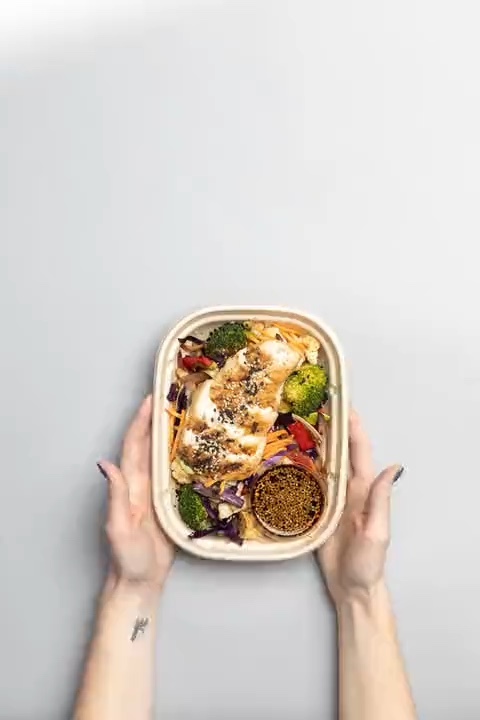 opening frameshow what the viewer will learn.
why does meal-prep broccoli turn soggy?
study how the short compresses a useful explanation into a clear sequence. spot repeated setup, missing context, and shots that could distract from the answer. keep the detail that makes the lesson work.
show the texture · ask the tutorial question
step one · explain the preparation
step two · label the storage method
texture comparison · answer the opening question
check that the payoff resolves the question this short opened. then consider a natural loop or a closely related next episode that fits your youtube channel. let the short deliver its value before asking viewers to watch more.
ask why stored broccoli turns soggy.
show the cooling and storage steps.
compare the texture after storage.
answer first, then suggest a short about storing leafy greens.
a clear opening question gives the demonstration a specific result to deliver.
a possible explanation, not measured audience behavior.take the useful structure, then change the question, examples, and footage for your channel. plan a repeatable shorts series, or a self-contained explanation drawn from a topic you also cover in longer videos.
bring the opening question, demonstration, on-screen labels, and payoff into a practical plan. use it to develop a recognisable series around your youtube channel’s subject.
define the question a new viewer should understand immediately.
connect each instruction to a close-up, label, or spoken explanation.
explore a clear payoff, a natural loop, or a related next episode.
adapt the structure to your expertise and your channel’s audience.
start with your own shorts analytics, then use a creative breakdown to form ideas to test. 2mv examines the content; it does not retrieve private youtube studio metrics.
youtube’s guide to content performance metrics
| question to investigate | in your youtube studio | with the youtube shorts analyzer |
|---|---|---|
| are viewers choosing to stay? | review stayed to watch | study whether the first image and line make the premise clear |
| how much of the short gets watched? | review average view duration and average percentage viewed | look for repeated setup, unclear steps, or a delayed answer |
| where are viewers finding it? | review shorts feed, youtube search, and other traffic sources | check how clearly the short introduces its topic to a new viewer |
build shorts that connect to your channel’s subject, whether you publish quick lessons, product demonstrations, or shorter takes on your longer videos.
develop a repeatable episode format around a topic your channel can own.
turn one question from a longer video into a complete, standalone short.
break a larger subject into a series of clear, single-question lessons.
plan demonstrations and how-to shorts that answer real product questions.
take a closer look at the videos you want to learn from on instagram reels, tiktok, and youtube shorts
explore the full ai video analyzer and its creative review workflow.
all platformslook at how a tiktok video uses its hook, scene order, and sound to tell a story.
tiktokstudy a reel’s opening, visual rhythm, and useful takeaway.
instagramadd a supported public youtube shorts link in 2mv studio. study the opening question, scene progression, narration, text, and ending. use the breakdown to plan an original short that fits your channel.
youtube studio shows performance analytics for your own content. 2mv helps you inspect creative choices in an accessible public short. use the two together: your analytics identify a question, and creative review suggests changes to test.
no. a public video breakdown does not reveal another creator’s private youtube analytics. review your own metrics in youtube studio, and treat the creative analysis as an interpretation rather than measured viewer behavior.
use a reference to study a repeatable structure, then choose a set of related questions within your channel’s topic. give each episode a complete answer, original examples, and its own opening. you decide the series and production plan.
you can use the planning approach to choose a single question from a longer video and build a standalone short around it. this analyzer does not automatically clip or edit your video. check supported link types and duration limits in studio before submitting a full-length video.
no. review whether the ending answers the opening and whether a return to the first frame feels natural. a loop is a creative choice, not a guarantee of replays, retention, or distribution.
use an accessible public short as a creative reference. studio checks link support and availability. private or restricted videos may not be accessible. create your own wording and footage when adapting the structure.
the examples on this page are illustrative. your own analysis runs in 2mv studio. check its access options and credit requirements before starting.
Start getting full visibility into what makes content go viral