the topic

viral racing history videos and ideas to try

explore viral racing history videos featuring historic races, classic vehicles and motorsport stories. find ideas for explaining the details, sharing your perspective and planning your next post.

topic

racing history

historic races, classic vehicles and motorsport stories

short videos

8

8 tiktok posts

combined views

7.77M

total views across these videos

top video

4.03M

the most viewed example in this collection

the videos

a collection of viral racing history videos

explore historic races, classic vehicles and motorsport stories. compare the race context, vehicle era and documented turning point.

tiktokracing history
014.03M views

Can I Catch him Before it’s too Late?

content approach
give your racing history video one clear subject. a useful starting point is to explain a historic race through a simple timeline. introduce the purpose early, then spend the rest of the clip showing the details that help viewers understand the choice.
ideas for your next video
explain a historic race through a simple timeline. plan three shots that establish the subject, show the key detail and bring the result together. write a short explanation for each shot, then watch the sequence back to check that the idea is easy to follow.

rest of the decode

beat map, swipe risk, cover and caption pairing, comment engineering and the reusable formula run inside 2mv studio on your own copy of the video.

decode this video
tiktokracing history
02364K views

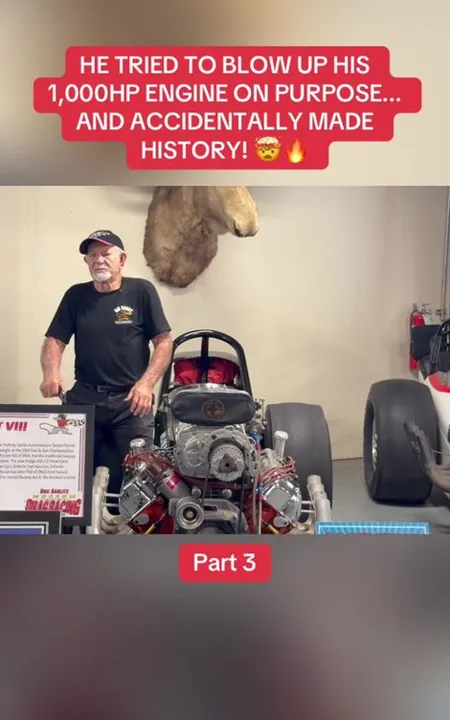
HE TRIED TO BLOW UP HIS 1,000HP ENGINE ON PURPOSE... AND ACCIDENTALLY MADE HISTORY! P3🤯🔥

content approach
build a racing history explanation around a visible example. you could compare the design details of two racing eras. place the example on screen while you explain your reasoning, so viewers can connect the words to something specific and follow the idea at their own pace.
ideas for your next video
compare the design details of two racing eras. prepare your example before recording and choose a viewpoint that makes the important details easy to see. add a short label where it helps, then finish by asking viewers which part they would explore in their own version.

rest of the decode

beat map, swipe risk, cover and caption pairing, comment engineering and the reusable formula run inside 2mv studio on your own copy of the video.

decode this video
tiktokracing history
03215K views

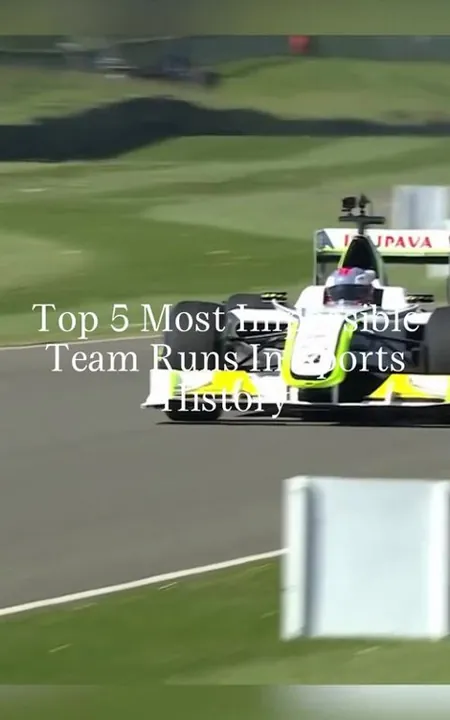
Top 5 Most Impossible Runs In Sports History

content approach
let a close look at one detail guide your racing history story. try to introduce a classic race vehicle with clearly attributed facts. move between the wider context and the detail you are discussing, giving viewers a clear sense of both the subject and its significance.
ideas for your next video
introduce a classic race vehicle with clearly attributed facts. record one wide view and two closer views of the details you want to explain. use the close views to support your narration, and turn a follow-up question into the starting point for another racing history post.

rest of the decode

beat map, swipe risk, cover and caption pairing, comment engineering and the reusable formula run inside 2mv studio on your own copy of the video.

decode this video
tiktokracing history
04140K views

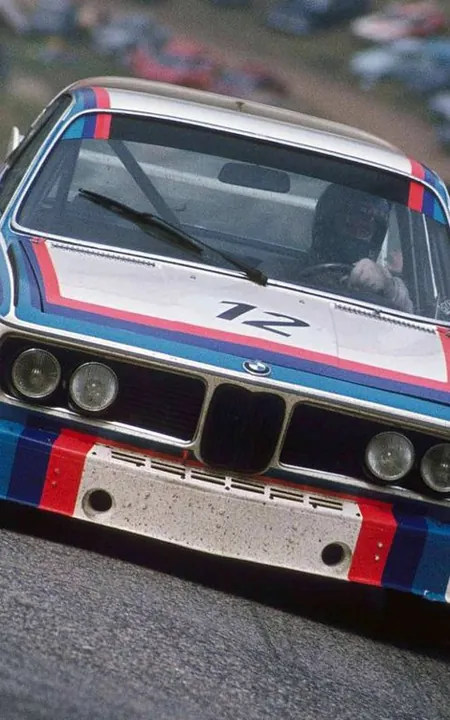
M Stand For Racing

content approach
use an everyday question to introduce your racing history idea. one approach is to explain a historic race through a simple timeline. state what you are exploring, show a concrete example, and finish with the detail that helped you reach your own conclusion.
ideas for your next video
explain a historic race through a simple timeline. write the question your video will answer at the top of a simple shot list. record the example and your explanation separately, then combine them in the order that makes the answer clearest to a first-time viewer.

rest of the decode

beat map, swipe risk, cover and caption pairing, comment engineering and the reusable formula run inside 2mv studio on your own copy of the video.

decode this video
tiktokracing history
051.09M views

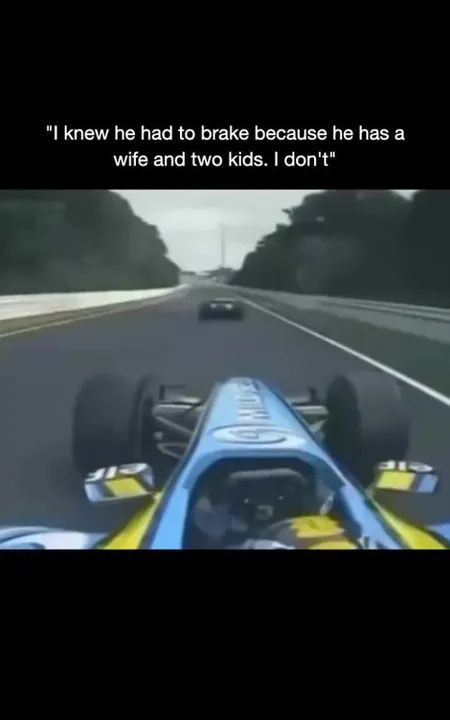
Fernando Alonso is a highly skilled Formula 1 driver known for his fearless moves on the track. One…

content approach
organize a racing history clip around a practical choice. you could compare the design details of two racing eras. give each option enough space to be understood, then explain the reason for your preference using details that are visible or clearly described in your example.
ideas for your next video
compare the design details of two racing eras. keep the framing consistent as you introduce each example, and explain one difference at a time. finish with your own choice and its reason, giving viewers a useful basis for discussing their preferences in the comments.

rest of the decode

beat map, swipe risk, cover and caption pairing, comment engineering and the reusable formula run inside 2mv studio on your own copy of the video.

decode this video
tiktokracing history
06726K views

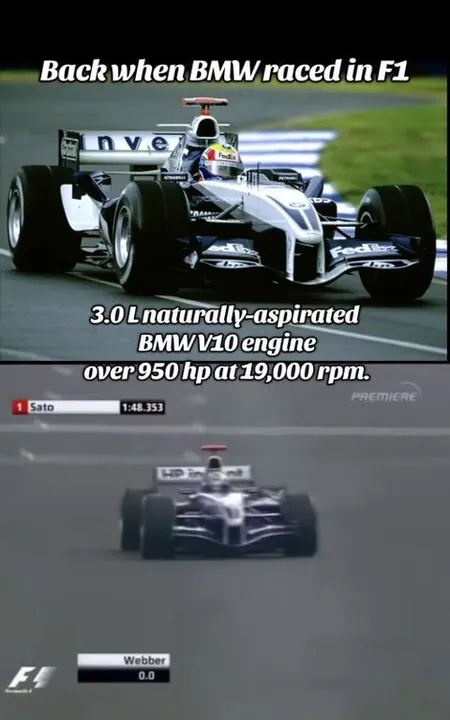
The FW27 driven by Mark Webber at Spa in 2005

content approach
create a short walkthrough for someone discovering racing history. a useful direction is to introduce a classic race vehicle with clearly attributed facts. name the main subject first, explain the important terms as they appear, and use a clear sequence so the viewer can follow the explanation.
ideas for your next video
introduce a classic race vehicle with clearly attributed facts. divide the explanation into a beginning, a closer look and a useful takeaway. prepare the objects, images or notes you need for each part, then record a short version that gives every step enough time to be understood.

rest of the decode

beat map, swipe risk, cover and caption pairing, comment engineering and the reusable formula run inside 2mv studio on your own copy of the video.

decode this video
tiktokracing history
07611K views

that’s one way to make an exciting photo-finish 😅📸

content approach
give your racing history video a personal point of view. try to explain a historic race through a simple timeline. explain the choice that matters to you and show the detail behind it, making the connection between the example and your own experience easy to understand.
ideas for your next video
explain a historic race through a simple timeline. start with a detail from your own experience and explain why you chose it. add a second example that develops the same idea, then invite viewers to share how they would approach a similar racing history project.

rest of the decode

beat map, swipe risk, cover and caption pairing, comment engineering and the reusable formula run inside 2mv studio on your own copy of the video.

decode this video
tiktokracing history
08591K views

racing history by @everyoneelseseesme

content approach
build a repeatable racing history format around a focused idea. you could compare the design details of two racing eras. keep the opening and framing recognizable while changing the example, so each episode offers a fresh detail within a series viewers can easily follow.
ideas for your next video
compare the design details of two racing eras. use this as the first installment of a short series and keep the same opening question for the next two posts. change one example or viewpoint each time, and give each episode a specific takeaway of its own.

rest of the decode

beat map, swipe risk, cover and caption pairing, comment engineering and the reusable formula run inside 2mv studio on your own copy of the video.

decode this video
what this topic teaches

ideas to explore in racing history videos

find practical ways to turn racing history examples into clear stories and ideas for your own videos

01

explain a historic race

explain a historic race through a simple timeline. use the race context, vehicle era and documented turning point to choose the details you explain. give the viewer a concrete example and a clear reason for your choice.

02

compare the design details of two racing eras

keep the example easy to see and describe what you want viewers to notice. a small, specific explanation can give them a useful starting point for their own racing history content.

03

introduce a classic race vehicle

introduce a classic race vehicle with clearly attributed facts. build the next post around another example of the same idea. keep the subject clear and let each installment answer a different question about racing history.

evergreen topics frequently asked questions

explore video examples and ideas around historic races, classic vehicles and motorsport stories. use the collection to find a specific subject for your next post, then open a cover to watch the original example.

pay attention to the race context, vehicle era and documented turning point. choose one detail you can explain clearly, and consider how you would present it using your own examples and point of view.

explain a historic race through a simple timeline. prepare a short sequence that introduces the subject, shows the important detail and explains your choice. use your own footage or clearly identified source material to support the idea.

start with one focused episode and develop the topic through different examples. for the next installments, compare the design details of two racing eras, then introduce a classic race vehicle with clearly attributed facts. keep a recognizable opening and give each post its own useful takeaway.

name the specific racing history subject and the detail you are exploring. mention relevant words such as historic races, classic vehicles and motorsport stories, choosing the ones that fit your post. finish with a question about the choice or example you presented.

select a video cover or its title to open the original post on tiktok or youtube. watch the post, explore the creator’s profile, then return to this collection to compare another example.

choose “decode this topic” or “explore 2mv studio” at the top of this page. both buttons carry the current topic into 2mv studio, where you can use it as the starting point for your research.

choose “decode this video” on the video card to open 2mv studio with that video’s link. use the link as your starting point to explore the opening, scene structure, visuals and audio, then plan your own approach.

Viral
no longer a mystery

Start getting full visibility into what makes content go viral